
Holistic Care
Holistic care, to us, means treating the whole animal — not just the symptom in front of us.
We look at how the body's systems, movement, nutrition, and nervous system all connect, and we draw on a range of therapeutic traditions to support that whole picture, alongside conventional medicine when that's what's needed.
Traditional Chinese Veterinary Medicine (TCVM)
Animal Chiropractic Care
Nutritional Counseling
Animal Reiki
Animal Osteopathy
Myofascial Tissue Therapy & Osteopathy

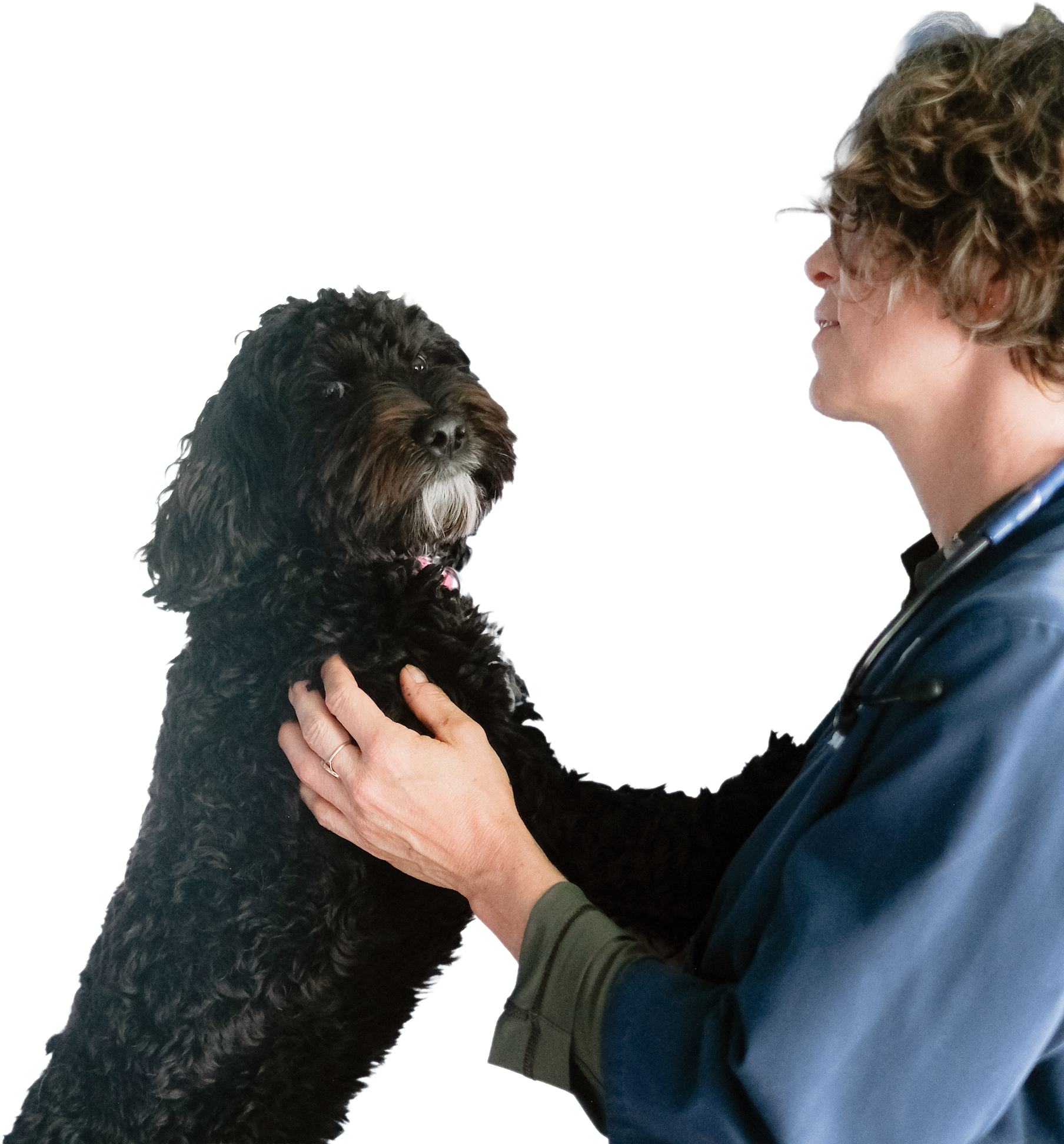
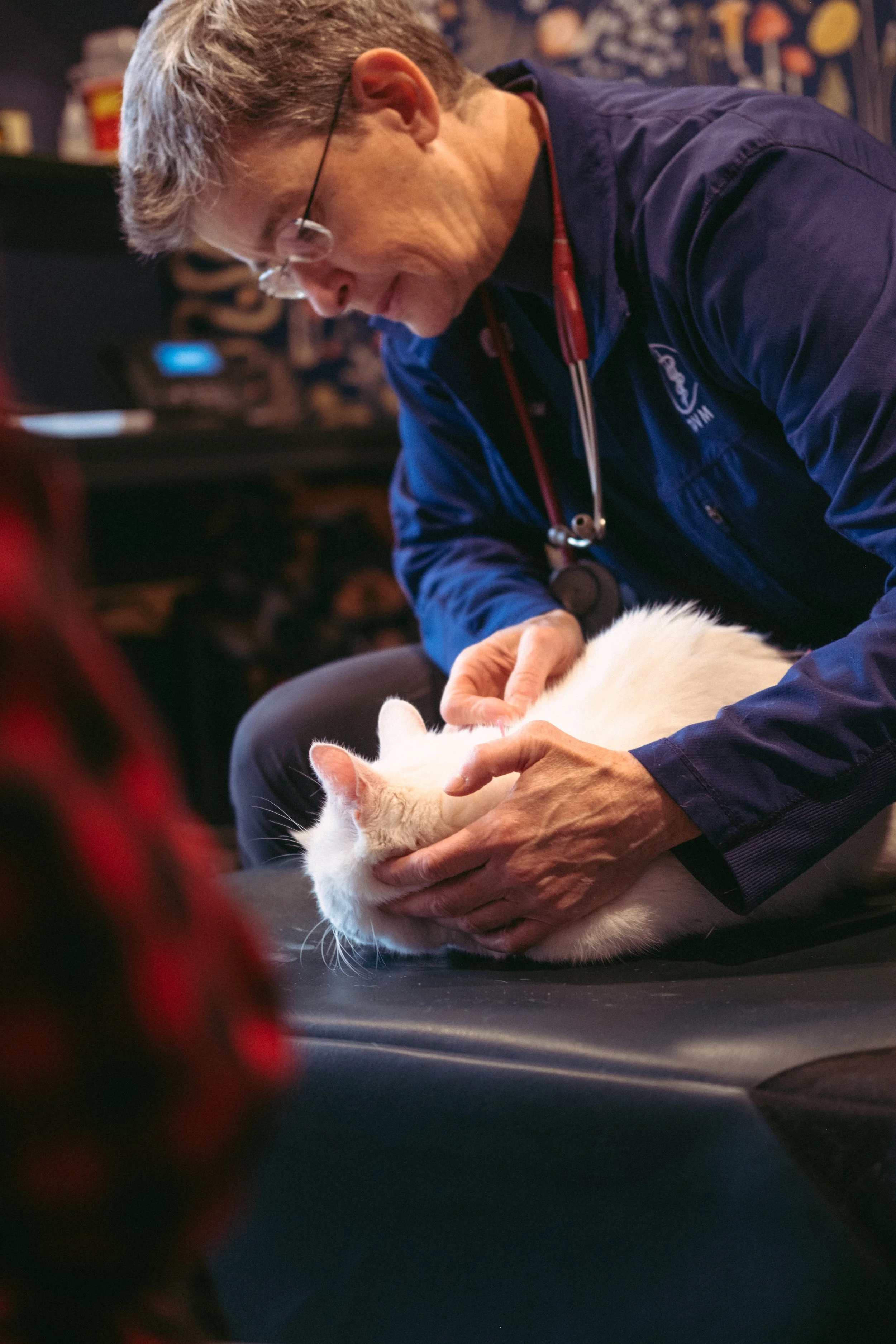
Traditional Chinese Veterinary Medicine
Traditional Chinese Veterinary Medicine is a complete system of animal healthcare rooted in principles developed over thousands of years. It views each animal as a whole — body, mind, and environment understood as deeply interconnected — and looks for the underlying patterns that drive disease rather than treating symptoms in isolation.
Depending on your animal's needs, a TCVM plan may include:
Acupuncture to support circulation, reduce pain, and restore balance.
Herbal therapy to address deeper or chronic imbalances.
Food therapy to align diet with your pet's individual constitution.
Tui-na (medical massage) to improve mobility and flow.
Animal Chiropractic Care
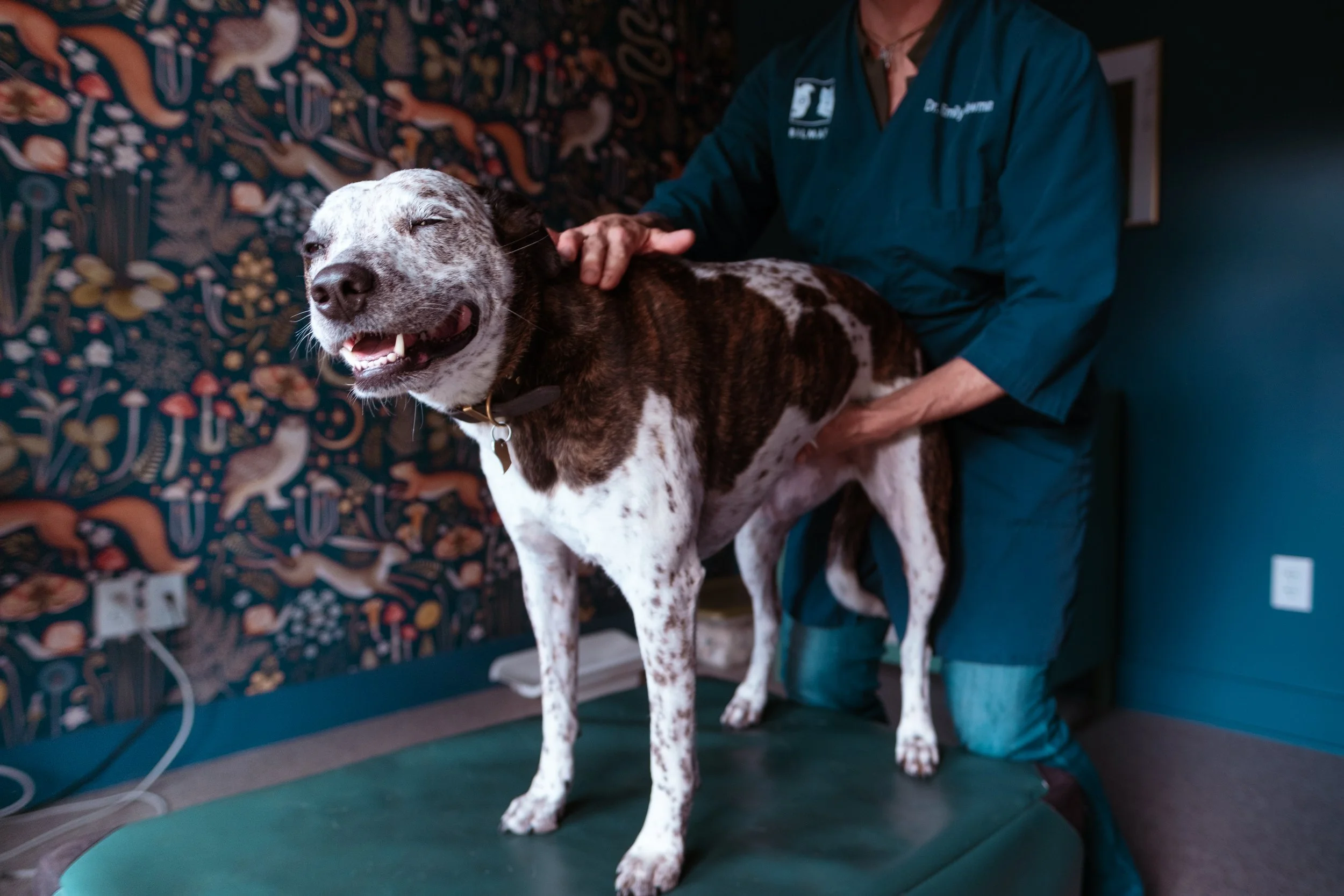
Animal chiropractic is a specialized field focused on the relationship between the spine, nervous system, and the body's ability to regulate and heal itself. Using gentle, specific adjustments, we work to restore normal motion to the spine and joints — improving neurological communication and supporting the whole system downstream.
Dr. Emily Newman trained through Options for Animals and is certified by the International Veterinary Chiropractic Association (IVCA). Chiropractic care at Bilmar is always tailored to the individual animal. We see it used for injury recovery, performance support, aging, and often for subtler changes — a shift in gait, reluctance to jump, or a change in behavior that hasn't had a clear explanation. Benefits commonly include reduced muscle tension, improved mobility, and better overall function.
Nutritional Counseling
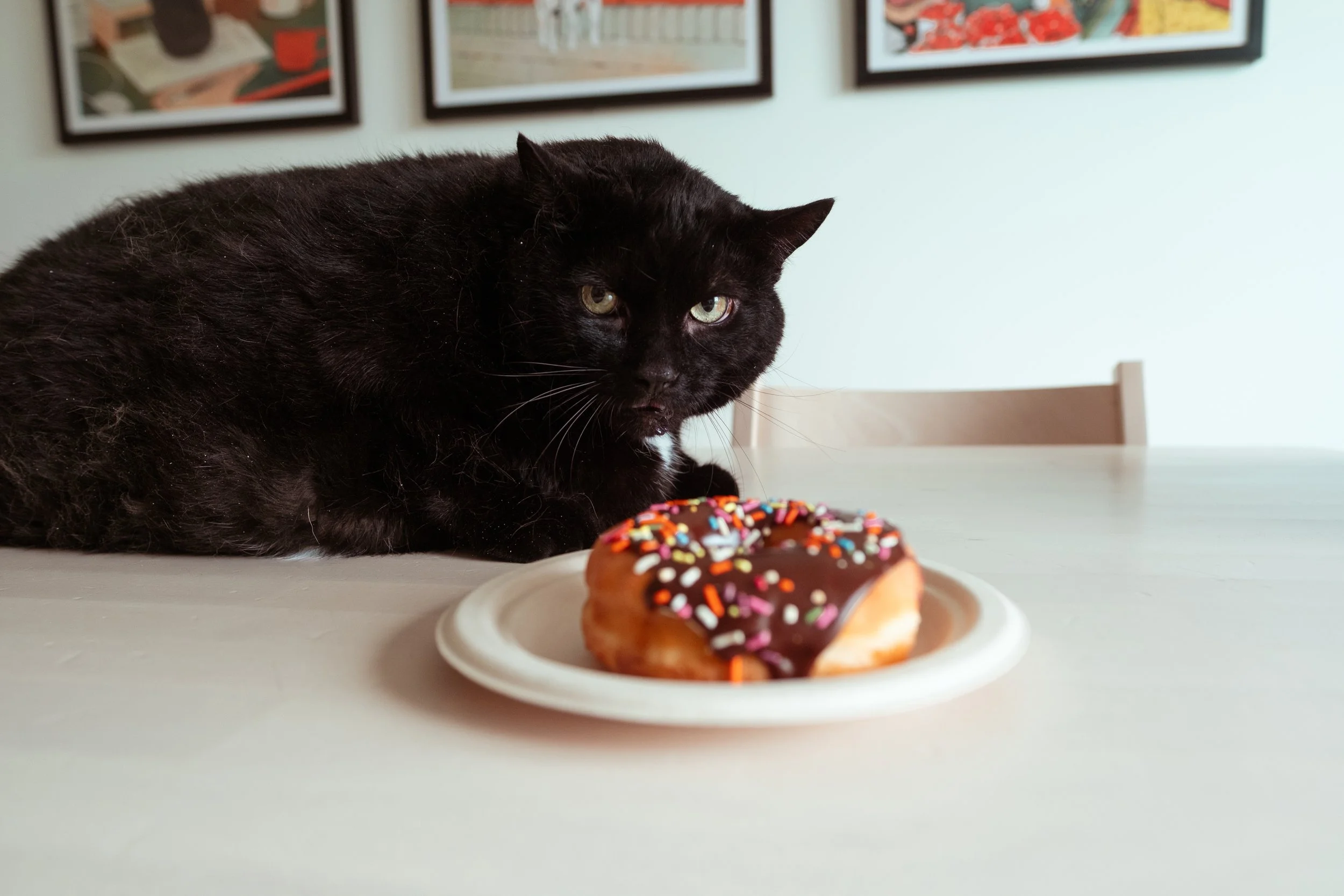
Feeding your pet well is one of the most important — and sometimes most confusing — parts of caring for them. We offer two levels of nutritional support depending on where you are and what you need.
Full Nutritional Consultation For owners who want to move toward a deeply customized, home-prepared diet, Dr. Newman offers comprehensive one-on-one consultations rooted in both veterinary medicine and holistic nutrition. We look at your animal's health history, constitution, and goals, and build a recipe that is complete, balanced, and genuinely tailored to your animal.
Pet Food Guidance If you're trying to navigate the overwhelming world of commercial pet food — kibble, canned, raw, freeze-dried — and just want a clear, honest recommendation specific to your animal, this is the conversation for you. We'll talk through what's actually in the bag, what matters, and what doesn't.
Animal Reiki
Reiki is a system of energetic healing developed by Mikao Usui in Japan in the 1920s, rooted in the understanding that a vital life force flows through all living beings. When that flow is disrupted — by injury, stress, or emotional experience — wellbeing suffers. Reiki works to restore it.
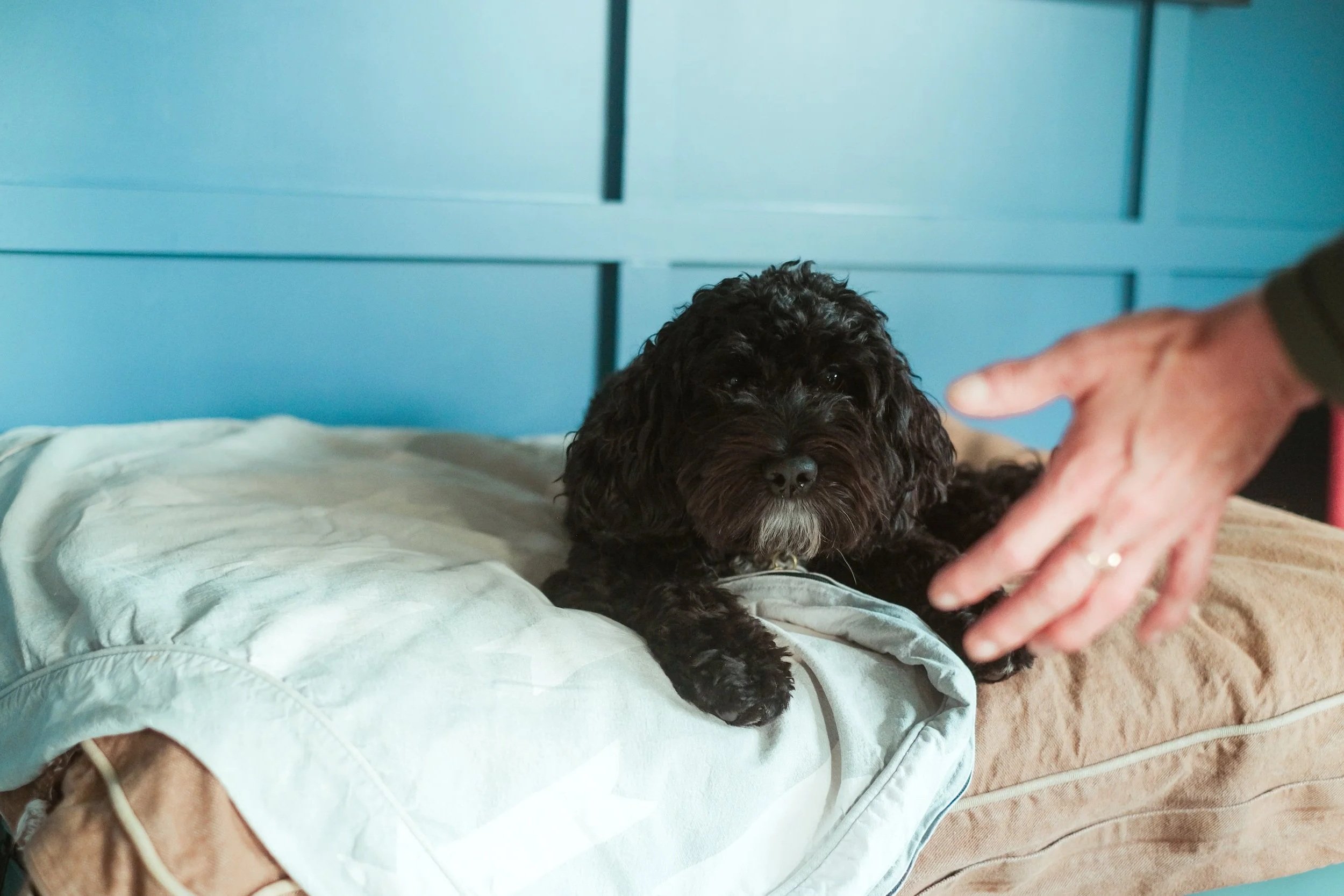
Animals often respond to Reiki with striking openness — relaxing, moving closer, sometimes seeming to guide the session themselves.
As a veterinarian and Reiki practitioner, Dr. Newman approaches this work with respect for both the medical and the energetic dimensions of healing. Reiki is never a replacement for conventional care — it is a complement, offered in service of the whole animal. It can be particularly supportive during times of anxiety, physical discomfort, major transition, or end-of-life care.
Animal Osteopathy
Osteopathy — sometimes described as functional therapy — is a hands-on approach that looks at the body as a single interconnected system: muscles, joints, spine, and organs, all working together. Rather than focusing only on an isolated symptom, this approach works to identify and address the underlying areas of restriction or dysfunction that may be driving it.
Assessment considers the whole picture — an animal's movement, history, environment, and any recent changes — to find long-term solutions rather than short-term symptom relief. It's commonly used to support mobility, aid recovery from injury, and improve comfort in aging or performance animals, often alongside other manual therapies.
Dr. Stephanie James trained through Animal Osteopathy International (AOI).
Myofascial Tissue Therapy
Myofascial tissue therapy addresses the fascia — the connective tissue that surrounds and links muscles, joints, and organs throughout the body. When fascia becomes restricted or tight, it can limit range of motion, create compensatory movement patterns, and contribute to pain that doesn't show up on standard diagnostics.
Using hands-on techniques, we work to release these restrictions and restore normal glide and mobility between tissue layers — often improving comfort and movement in animals with chronic stiffness, past injuries, or unexplained changes in gait or posture.
Dr. Emily Newman is completing advanced training in Myofascial and Manual Therapy through the Chi Institute.